
Sober living
Alcohol Relapse: Warning Signs, Triggers & Prevention
They remember their last relapse and they don’t want to repeat it. But their emotions and behaviors are setting them up for relapse down the road. Because clients are not consciously thinking about using during this stage, denial is a big part of emotional relapse. The sooner you take steps to intervene following a relapse, the easier it is to get back on Alcohol Relapse track. However, it is never too late to recover from a relapse, so don’t be discouraged if you think you’ve gone too far back into your addiction. It is not uncommon to need professional help to stop using after a relapse; many people benefit from the added support of an addiction treatment program a second and even third time (or more, in some cases).
The holidays pose an increased risk for relapse and substance abuse – Sault Ste. Marie Evening News
The holidays pose an increased risk for relapse and substance abuse.
Posted: Wed, 29 Nov 2023 08:00:00 GMT [source]
Refocusing on recovery and further relapse prevention with a care team is crucial. It can bring on feelings of shame, frustration, and often cause someone to feel as if they are incapable of changing their behavior or achieving their goals. Research shows that social support indicates long-term success, while peer pressure and unsupportive relationships can lead to relapse. Some relapses start https://ecosoberhouse.com/ with lapses that become more prolonged or frequent until the individual returns to uncontrolled substance use. Some people may feel so “broken” that they almost feel they can no longer experience joy and confidence, or have healthy relationships again. While the abstinence stage of withdrawal causes mostly physical symptoms, post-acute withdrawal is very psychological and emotional.
Alcohol Relapse
In the face of a craving, it is possible to outsmart it by negotiating with yourself a delay in use. It hinges on the fact that most cravings are short-lived—10 to 15 minutes—and it’s possible to ride them out rather than capitulate. Recognize that cravings are inevitable and do not mean that a person is doing something wrong. • Build a support network of friends and family to call on when struggling and who are invested in recovery. Being alone with one’s thoughts for too long can lead to relapse. • Unpleasant feelings including hunger, anger, loneliness, and fatigue.

Your relationships may become even more strained, as some friends and family members who considered you to be “fun” while you were drinking now perceive you unpleasantly. Emotions may prompt thoughts of using but so can external cues or stimuli. Recovery from an alcohol use disorder and living a sober life requires daily work and discipline; and it is ultimately about making progress and moving forward in one’s life without the negative consequences of alcohol use, not perfection.
Alcohol Relapse: Warning Signs, Triggers and Prevention
We will also outline some of the common warning signs of alcohol relapse as well as what to do when an alcoholic relapses. Whether your relapse means that you need to attend treatment again depends on several factors. These include how long the relapse lasted and how much you were drinking during the relapse. An extended relapse with heavy drinking can put you at risk of alcohol withdrawal symptoms, which can be dangerous. If you’ve experienced an extended relapse, you’ll likely benefit from medical detox, where any withdrawal symptoms are managed under medical supervision.
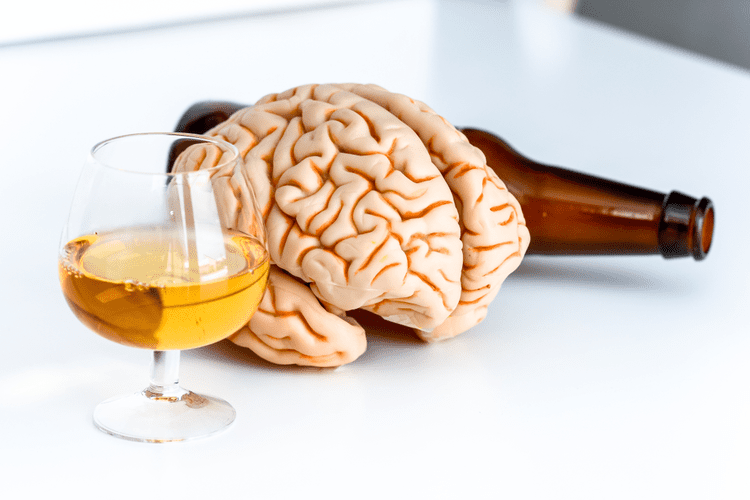
By the time most individuals seek help, they have already tried to quit on their own and they are looking for a better solution. This article offers a practical approach to relapse prevention that works well in both individual and group therapy. Experts think this occurs because the neural circuits involved in stress and mood are the same circuits involved in the brain’s reward system. For this reason, stress can trigger the same brain circuits that were triggered when you sought alcohol in the past.
Relapse is a common stumbling block during the recovery process and does not mean that you should give up on becoming sober.
An exciting part of this period is that it can lead you to a happier life full of welcomed change and constant improvement. During the recovery stage, it’s not uncommon to feel temporarily worse. For some people, AUD has hurt their relationships, careers, health, finances, self-esteem, and other aspects of their lives. Although many people are tempted to make other major life changes during this stage of recovery, such as changing jobs, experts recommend focusing energy on stopping drinking for at least the first year. In a separate 2014 study published in Drug and Alcohol Dependence, researchers reported relapse rates of 506 people who had maintained recovery from alcohol use disorder for one year.

Many who embark on addiction recovery see it in black-and-white, all-or-nothing terms. They see setbacks as failures because the accompanying disappointment sets off cascades of negative thinking and feeling, on top of the guilt and shame that most already feel about having succumbed to addiction. Relapse is emotionally painful for those in recovery and their families. Nevertheless, the first and most important thing to know is that all hope is not lost.
